Design World

  • Home
  • Technologies
    • ELECTRONICS • ELECTRICAL
    • Fastening • joining
    • FLUID POWER
    • LINEAR MOTION
    • MOTION CONTROL
    • SENSORS
    • TEST & MEASUREMENT
    • Factory automation
    • Warehouse automation
    • DIGITAL TRANSFORMATION
  • Learn
    • Tech Toolboxes
    • Learning center
    • eBooks • Tech Tips
    • Podcasts
    • Videos
    • Webinars • general engineering
    • Webinars • Automated warehousing
    • Voices
  • LEAP Awards
  • 2026 Leadership
    • 2025 Winners
    • 2024 Winners
    • 2023 Winners
    • 2022 Winners
    • 2021 Winners
  • Design Guides
  • Resources
    • 3D Cad Models
      • PARTsolutions
      • TraceParts
    • Digital Issues
      • Design World
      • EE World
    • Educational Assets
    • Engineering diversity
    • On the Floor
    • Reports
    • Trends
  • Supplier Listings
  • Advertise
  • SUBSCRIBE
    • MAGAZINE
    • NEWSLETTER

Patented DPFlex II sensorless brushless drive exceeds performance of hall-based drives

By Frank Tobe | November 12, 2014

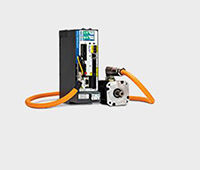
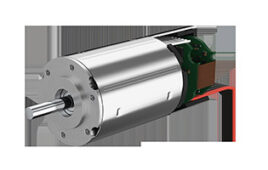
Allied Motion’s DPFlex™ II is the second generation of our innovative, patented digital sensorless brushless motor drive series. The DPFlex II adds higher speed capability (up to 150,000 RPM), a higher bus voltage capability, the ability to drive lower impedance motors and convenient software-settable rotation direction.

The result: a sensorless brushless drive able to power a much broader range of motors than the first generation DPFlex.

Allied-MotionKey Features and Benefits of the DPFlex II:

  • DPFlex sensorless control means reduced wiring complexity and cost without sacrificing performance
  • Drives delta- or wye-connected at brushless motors up to 150,000 RPM
  • Outputs up to 48 V and 30 A peak (1200 W output power) to drive a wide range of motors
  • Broad 20:1 speed control range – competitive units are typically capable of only 10:1
  • Full protection against most faults, including thermal overload.

The DPFlex II’s patented technology enables detection of motor rotor position at standstill for reliable starting without rotor movement and while under load. The result is robust, stable motor operation at reduced cost compared to sensored motor drives. The DPFlex II boasts performance levels exceeding even those of conventional Hall-commutated drives.

Applications that can benefit from use of the DPFlex II include pumps, high speed compressors, medical hand pieces, fans and blowers, respirators, centrifuges, conveyors, variable-speed scanners, and similar speed/torque control equipment.

Allied Motion provides complimentary DP.D™ Windows-based software for the DPFlex II. The software auto-calculates optimum current loop settings for the motor and enables easy setting of inputs and outputs on the drive, and provides a four-channel oscilloscope tool that is able to log system register data in real time.

Allied Motion
www.alliedmotion.com

You might also like


Filed Under: MOTION CONTROL
Tagged With: alliedmotion
 

LEARNING CENTER

Design World Learning Center
“dw
EXPAND YOUR KNOWLEDGE AND STAY CONNECTED
Get the latest info on technologies, tools and strategies for Design Engineering Professionals.
Motor University

Design World Digital Edition

cover

Browse the most current issue of Design World and back issues in an easy to use high quality format. Clip, share and download with the leading design engineering magazine today.

EDABoard the Forum for Electronics

Top global problem solving EE forum covering Microcontrollers, DSP, Networking, Analog and Digital Design, RF, Power Electronics, PCB Routing and much more

EDABoard: Forum for electronics

Sponsored Content

  • Agentic Requirements Engineering: Reduce Friction in Requirements Workflows
  • Five trends in automation for the second half of 2026
  • Overcoming Modern Motion Control Challenges with Enidine’s Energy Absorption and Vibration Isolation Solutions
  • Fujitsu, NVIDIA make moves on physical AI
  • Choosing PCB Design Software for Small Teams and Enterprises
  • Rotary Ball Spline Technologies and the Effective Differences of Two Rotational Nut Technologies
View More >>
Design World
  • About us
  • Contact
  • Manage your Design World Subscription
  • Subscribe
  • Design World Digital Network
  • Control Engineering
  • Consulting-Specifying Engineer
  • Plant Engineering
  • Engineering White Papers
  • Leap Awards

Copyright © 2026 Arrowfly LLC. All Rights Reserved. The material on this site may not be reproduced, distributed, transmitted, cached or otherwise used, except with the prior written permission of Arrowfly
Privacy Policy | Advertising | About Us

Search Design World

  • Home
  • Technologies
    • ELECTRONICS • ELECTRICAL
    • Fastening • joining
    • FLUID POWER
    • LINEAR MOTION
    • MOTION CONTROL
    • SENSORS
    • TEST & MEASUREMENT
    • Factory automation
    • Warehouse automation
    • DIGITAL TRANSFORMATION
  • Learn
    • Tech Toolboxes
    • Learning center
    • eBooks • Tech Tips
    • Podcasts
    • Videos
    • Webinars • general engineering
    • Webinars • Automated warehousing
    • Voices
  • LEAP Awards
  • 2026 Leadership
    • 2025 Winners
    • 2024 Winners
    • 2023 Winners
    • 2022 Winners
    • 2021 Winners
  • Design Guides
  • Resources
    • 3D Cad Models
      • PARTsolutions
      • TraceParts
    • Digital Issues
      • Design World
      • EE World
    • Educational Assets
    • Engineering diversity
    • On the Floor
    • Reports
    • Trends
  • Supplier Listings
  • Advertise
  • SUBSCRIBE
    • MAGAZINE
    • NEWSLETTER