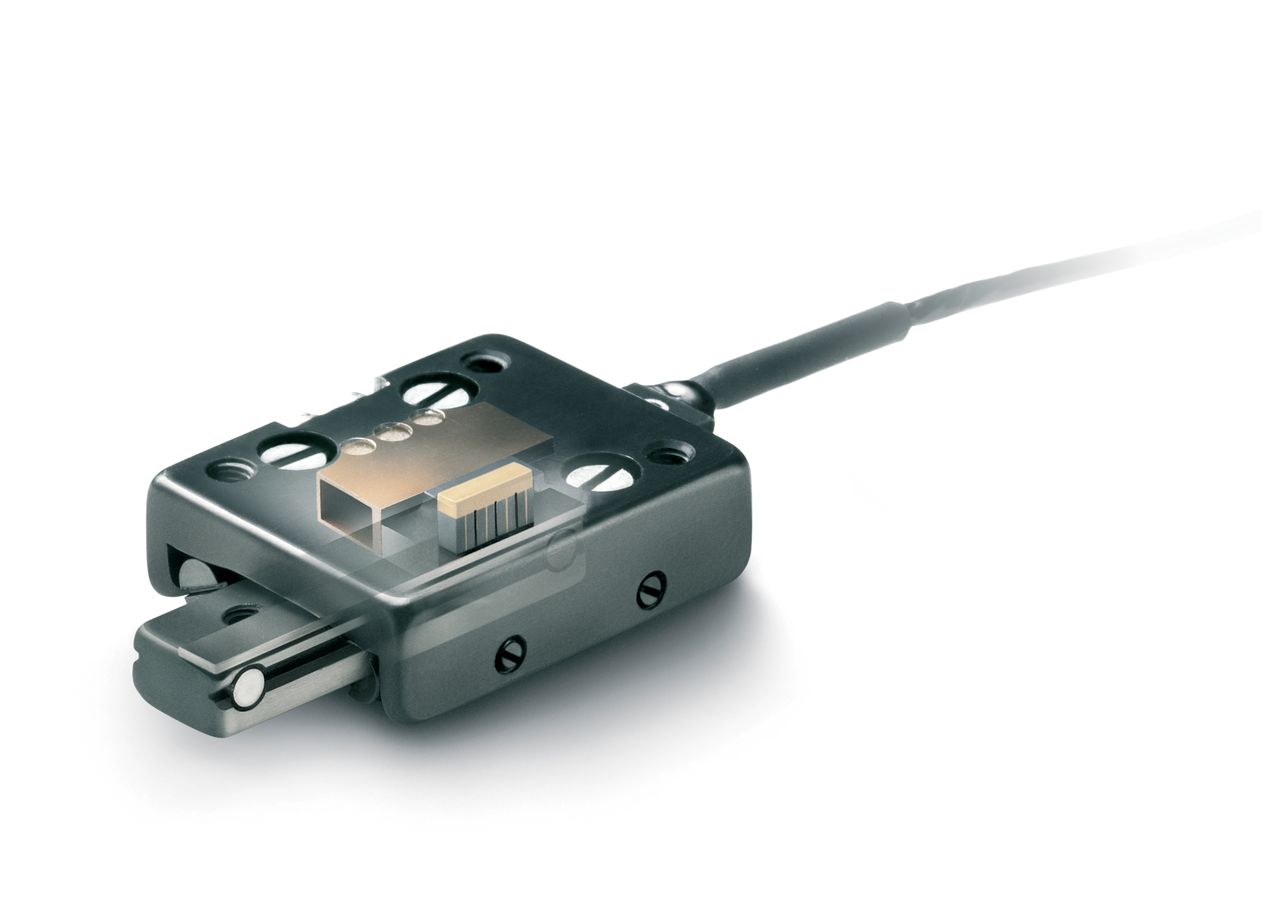
Piezo elements are ceramics that change shape when subject to electricity or (when subject to mechanical loading) output electricity. Manufacturers process and press plumbum, zirconate, titanate (PZT) powder together and fire it into a quartz. Then they integrate the ceramic with ferroelectric material to make electrodes. Finally, manufacturers apply electromagnetic fields to the piezo elements to align and polarize the material.
Discovered by Pierre and Jacques Curie in the late 1800s, piezo elements are named for the Greek word for press — piezein. 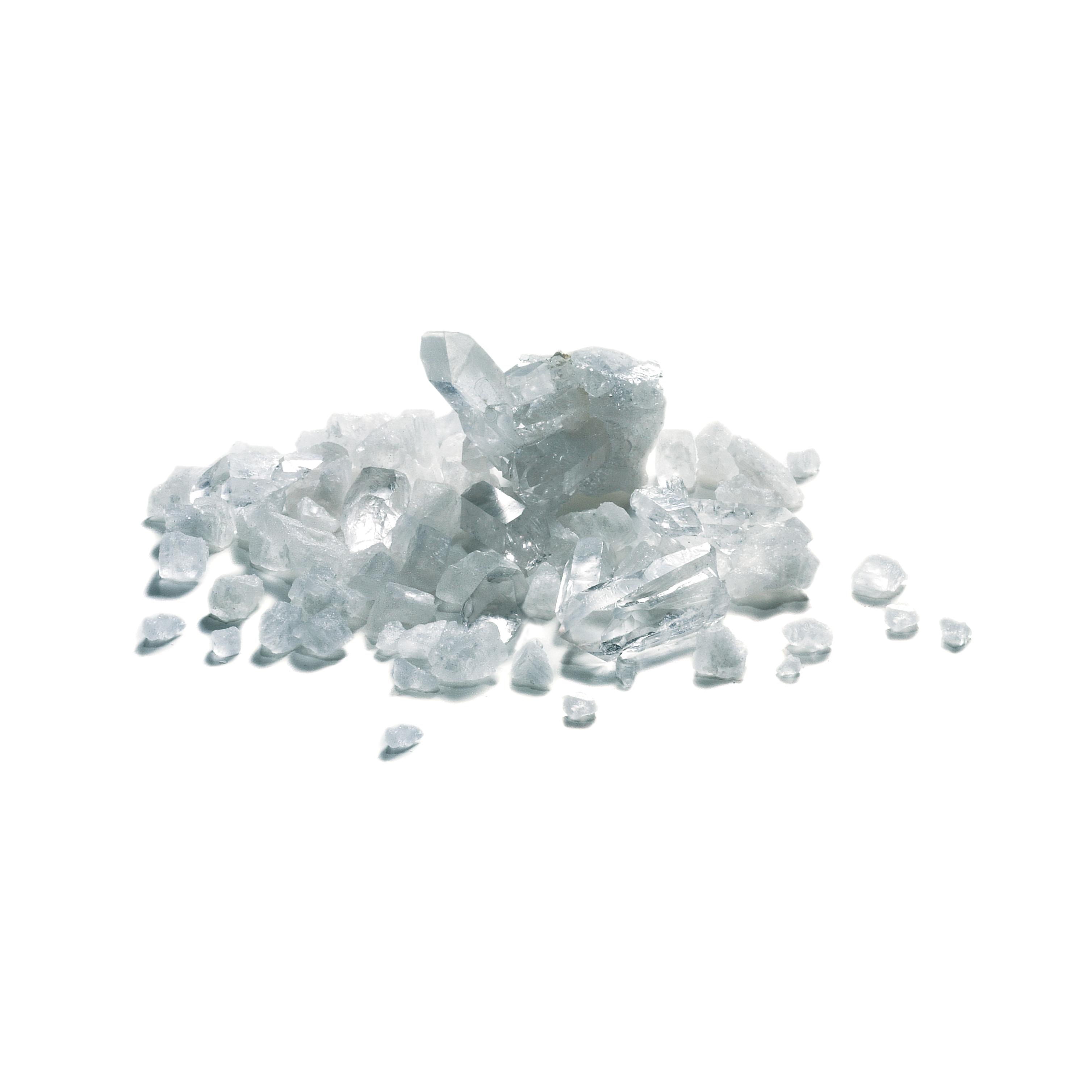 The Curies found that compressing crystals of potassium sodium tartrate (also called Rochelle salt after the place of its original formulation) create electric voltage … and that electrifying piezo crystal makes it deform. Today, other piezo crystals immune to humidity are used in engineered systems … but the shape-changing capacity is what all piezo technologies use today.
Types of piezo motors
Piezo elements go into myriad transducers and sensors, and that use is perhaps the best known. However, some arrangements of piezo elements act as solid-state piezo motors to move loads over short distances.
The most basic piezo motors generate motion by expanding proportionally to voltage. Stacked, shear, and tube piezo motors are three common options here. The former generate high forces but only to 20 µm or so. The latter (common in medical and dispensing applications) can move several millimeters but with less force.
Slightly more complex are flexure-guided piezo motors with motion amplifiers for long and straight moves. Motion is proportional to the drive voltage; multi-axis stages move up items a couple millimeters or more.
Ultrasonic-friction piezo motors have oscillating plates that act as the stator to advance a slide or rotor via friction. These output unlimited motion quickly, sometimes within 0.8 msec from the input command — though resolution is only 60 nm or so.
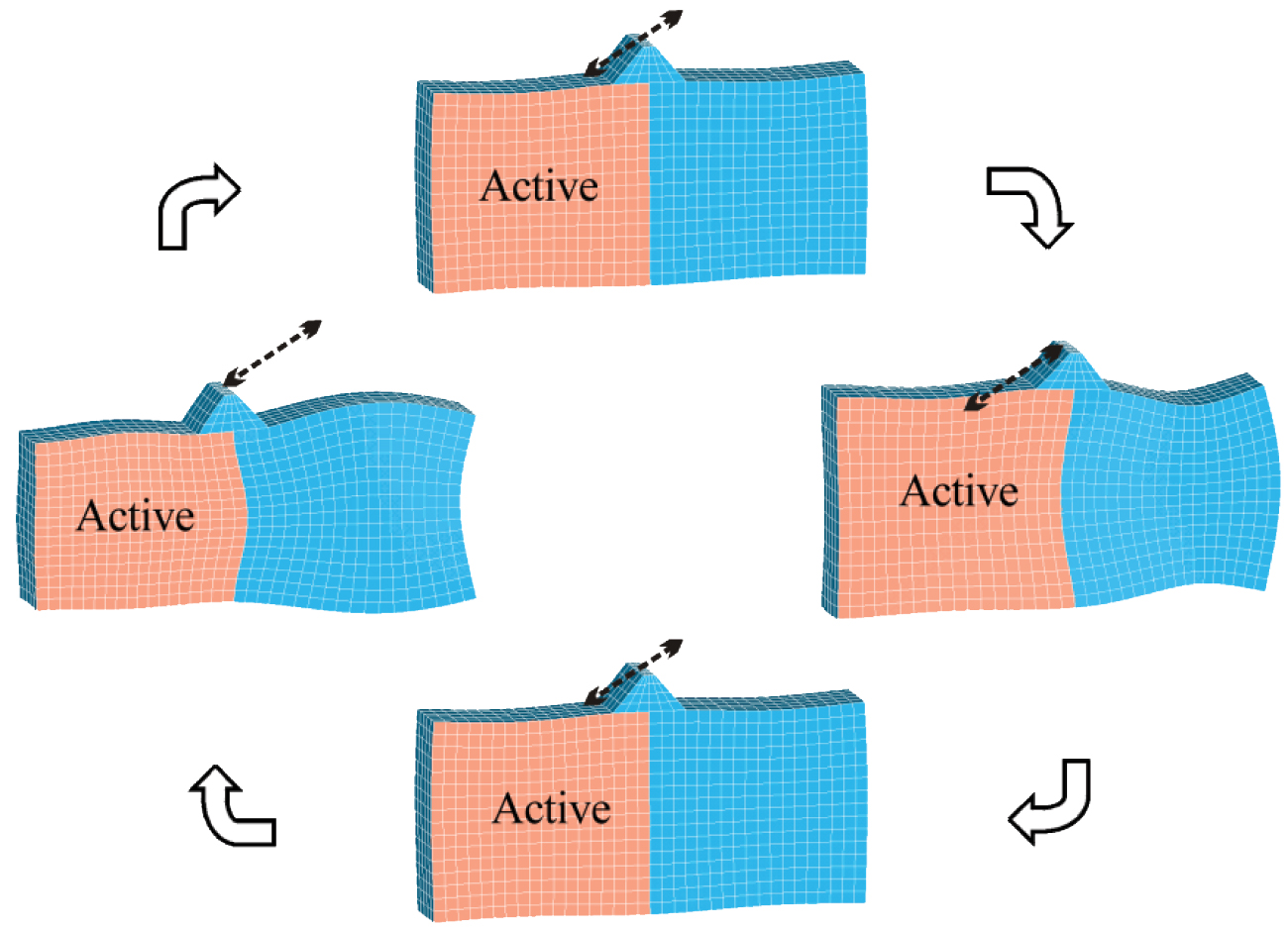
Note that some sources call ultrasonic piezo motors standing-wave piezo motors for the way in which they output motion. The only catch with ultrasonic piezo motors is that their reliance on friction to advance a slide or rotor essentially limits resolution to about 38 nm.
For stepping piezo motors, manufacturers gang multiple piezo elements together to get actuator setups that can move more than 100 lb. The motors make longer strokes than most other options, and they do it quickly (within 0.8 msec in some cases). Piezo stepping motors can also get picometer resolution under direct piezo actuation under what’s called dithering.
“Advancing … controls are getting increasingly stringent performance from piezo-flexure stages that output high-bandwidth actuation over multiple degrees of freedom. These drive … advanced microscopies that burst the Rayleigh limit; semiconductor lithography that tracks Moore’s Law down to the atomic scale; silicon photonics manufacturing; and genomics analyzers,” said Physik Instrumente’s Stefan Vorndran in a recent statement for a Design World piece.
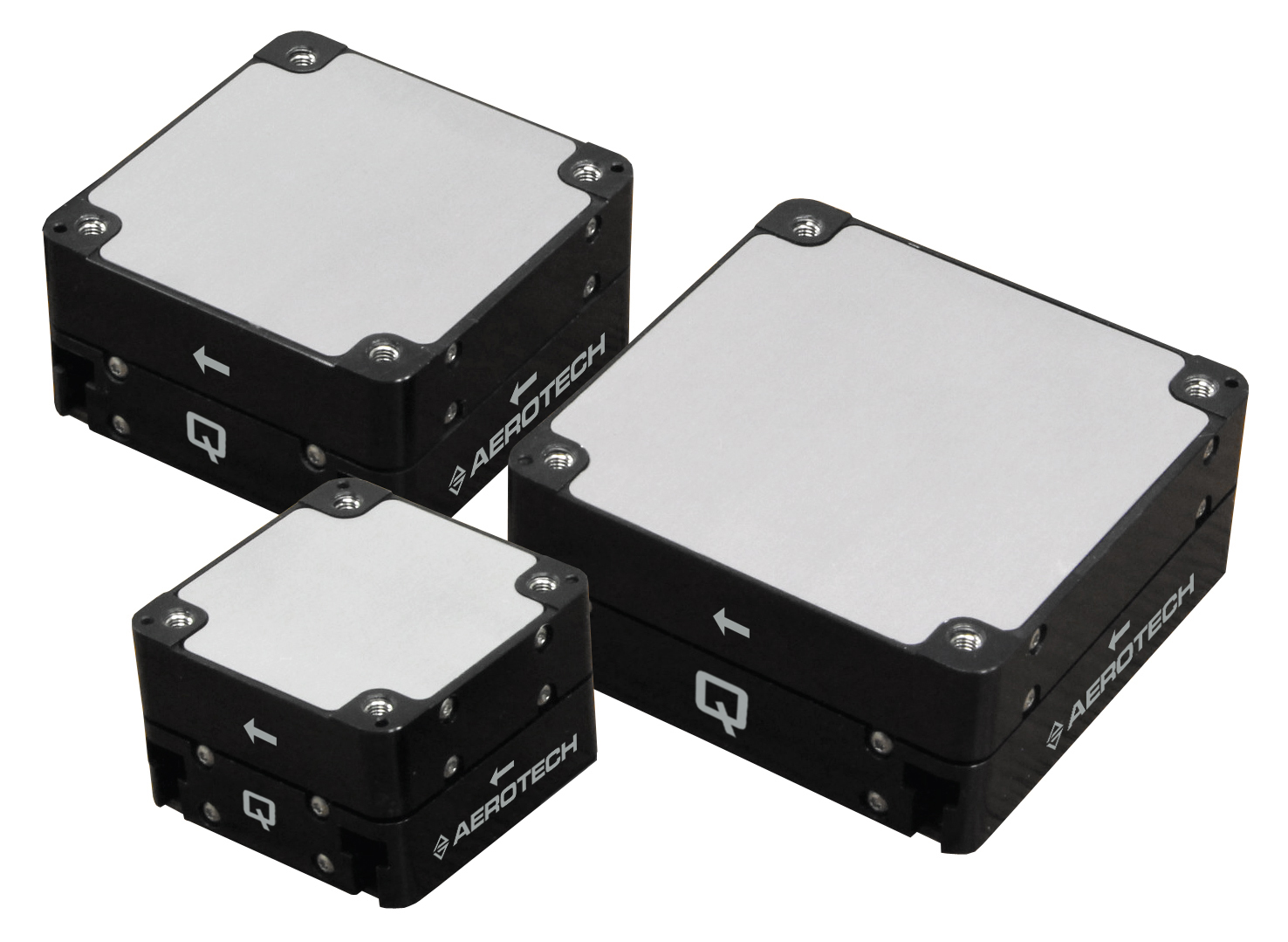
More about ultrasonic piezo motors
As mentioned, in ultrasonic piezoelectric motors, the ceramic material vibrates over a few nanometers at a time to output linear or rotary motion to 550 mm/sec.
Electricity excites a piezoceramic plate (that acts as the motor stator) through electrodes. That induces oscillations at the material’s natural frequency at some number of kilohertz. The plate has a friction pusher that takes it along an inclined path at the eigen frequency. With each oscillatory cycle, the motor advances. Two main benefits of ultrasonic piezoelectric motors is that:
1) They are efficient substitutes for miniature electric-motor spindles
2) They make moves with resolution to 50 nm
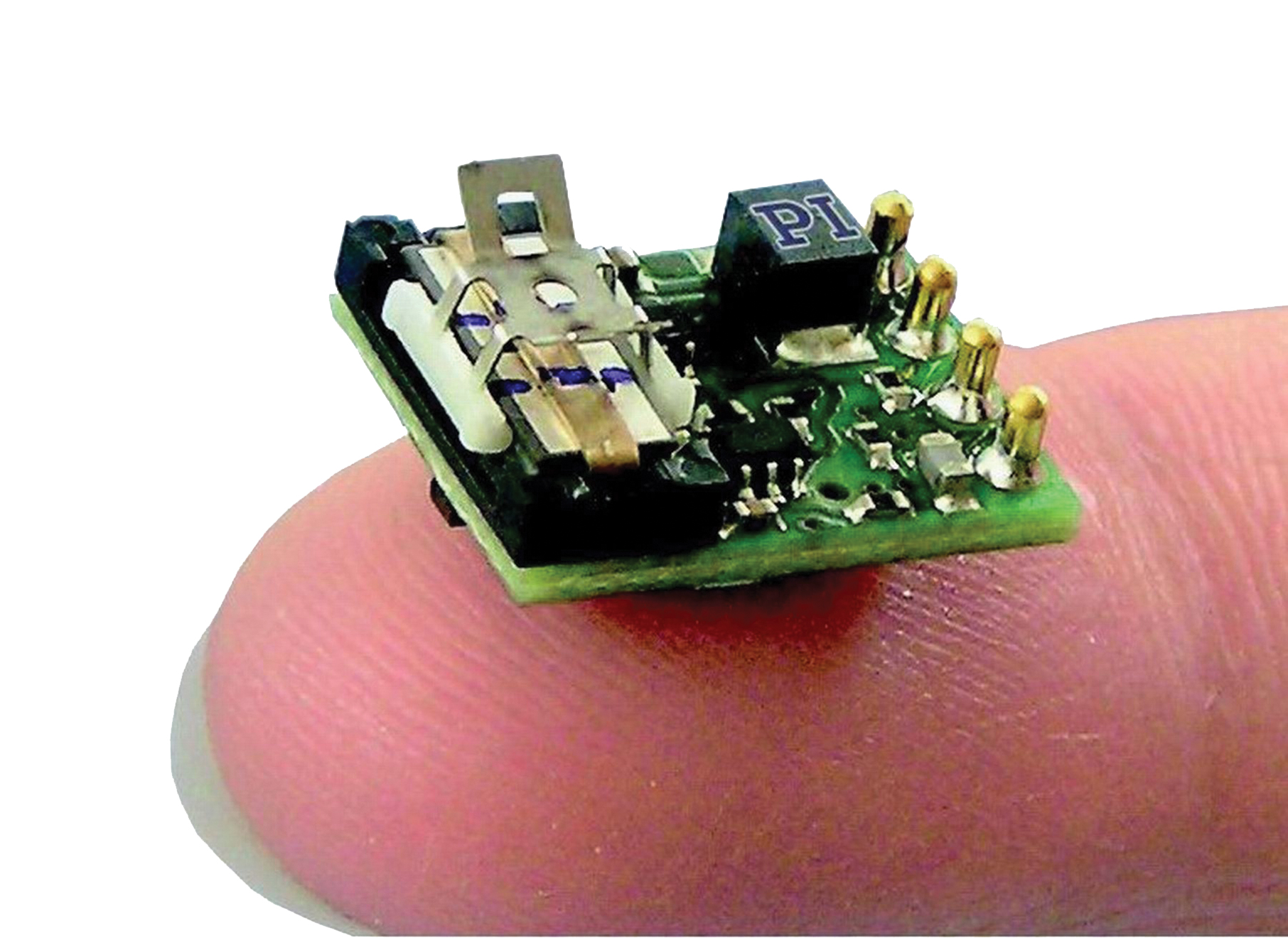
More about stepper piezo motors
The leading piezo-motor option for longer strokes are steppers. These have an array of individual piezo elements that perform a sequence of expansions and contractions. Each cycle only moves the attached load a few micrometers … but at an average of 500 to 3,000 Hertz the steps makes the motor reach 12 mm/sec. Useful for scanning applications, stepper piezo motors can also withstand external magnetic fields.
Rotary step piezo motors cycle frame-affixed crystals through states. One crystal set locks the rotor while a second set moves to advance a third. Controls then release the first crystal set and retract the third. Then both locking sets return to home.
In contrast, linear step piezo motors cycle frame-affixed crystal sets through locked and motive settings. Usually one set is moving while the other two lock. That advances an output stage plate even to 1,100 mm/sec.
More on piezo elements and motors from the Motion Control Tips Piezo Motor Technical Library:
Piezoelectric Positioners offer Precise Control in Nanopositioning Applications
LR17 Piezo LEGS Rotary Motor from MICROMO
Fast Piezo Focusing Systems presented at BIOS
Physik Instrumente’s new C-867 equipped with piezo linear motor drives
Newport Corp releases new XPS-DRVP1 Piezo Driver
Physik introduces new piezo stepping drives
Ceramic Linear Piezo Motor from Physik Instrumente
Paper on Pixel-Sub-Stepping / Image Resolution Enhancement with Piezoelectric Mechanisms
Miniature Piezomotor Linear Slide
Nanopositioning and Piezo Technology Catalog and Reference Guide

Filed Under: Motion Control Tips